Light, green and built on olive oil
Mediterranean cuisine draws on the cooking of the countries around the Mediterranean Sea: olive oil, vegetables, grains, seafood and fresh herbs at its heart, with comparatively little heavy meat. It is celebrated for being fresh, balanced and largely plant-forward. In a Turkish context the label overlaps heavily with Aegean cooking, the olive-oil dishes (zeytinyağlılar), wild greens, grilled fish and meze that define the western coast.
We have 637 Mediterranean-tagged listings across Turkey. It is also a meaningful category in the Netherlands, where it sits among the international kitchens of the big cities.
What lands on the table
- Grilled fish: simply cooked to highlight freshness, dressed with olive oil and lemon.
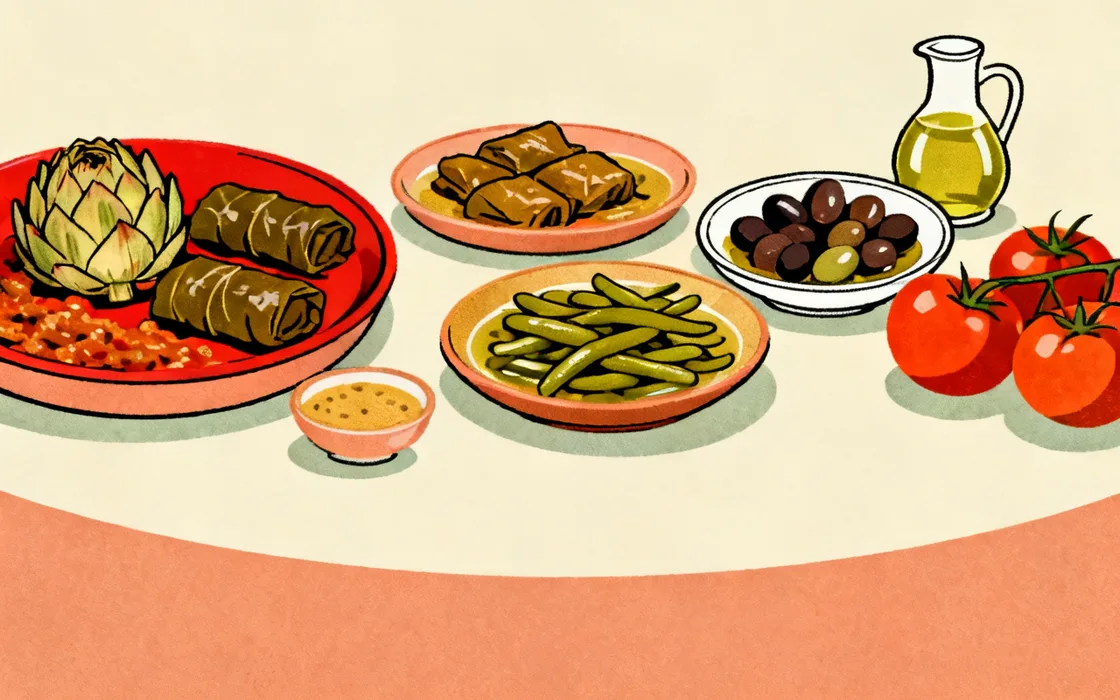
- Meze: the spread of cold starters, especially the olive-oil vegetable dishes the Aegean is known for.
- Salads and greens: wild herbs, sea beans and seasonal vegetables, often barely cooked.
- Olive-oil dishes: vegetables braised slowly in good oil and served at room temperature.
Where to find it
The natural home for Mediterranean dining in our coverage is the coast. İzmir and the Aegean towns around it (Çeşme, Urla) are the heartland of olive-oil cooking, while Antalya brings the Mediterranean proper, with seafood and resort-coast dining. Istanbul, as ever, has the most options overall.
Where the best-reviewed Mediterranean tables are
One honest caveat first: in our Turkish data the Mediterranean tag is broad, and it sometimes overlaps with kebab and lokanta listings rather than the olive-oil Aegean style. The places below are the best-reviewed venues whose character is genuinely Mediterranean or Aegean-coastal, drawn from both countries we cover. The rating is Google's public figure, shown for reference and linked to each listing, not our endorsement, and kept separate from e.restaurant diner reviews.
Tagged Mediterranean, selected for genuinely coastal/Aegean character. Ratings are Google's, shown for reference.
- 1 Payidar Galata Beyoğlu, Istanbul A Mediterranean cafe-restaurant in the Galata district of Istanbul.
- 2 Restaurant Lavash Amsterdam A Mediterranean restaurant in Amsterdam, where the cuisine sits among the city's international kitchens.
- 3 Restaurant Dekxels Den Haag A Mediterranean gastropub in The Hague; the highest-rated of this group.
- 4 İsmet’in Yeri İskele Restaurant Karaburun, İzmir A seafront fish-and-meze restaurant on the Aegean Karaburun peninsula.
- 5 Blue Terrace Kaş, Antalya A Mediterranean terrace restaurant in the coastal town of Kaş.
Mediterranean versus Aegean versus Levantine
It is worth separating three things that often get lumped together under one label. The Aegean style, centred on İzmir and its coast, is the lightest: wild greens, olive-oil vegetable dishes served cold, plenty of fish, and herbs gathered locally. The broader Mediterranean style, which you meet along the Antalya coast, adds more grilled fish and the sun-and-sea resort cooking of the south. The Levantine thread, shared with Turkey's south-east and the wider eastern Mediterranean, brings mezes built on chickpeas, sesame and warm spice. A restaurant tagged Mediterranean may lean toward any of these, so the city it sits in tells you a lot.
What unites them is restraint. Good Mediterranean cooking is about sourcing rather than technique: ripe tomatoes, fresh fish, real olive oil and herbs, treated simply. That is also why it travels so well and why it reads as healthy without trying to.
This guide is e.restaurant's own editorial. Listing data comes from open global sources; where a restaurant is named, any star rating shown is Google's public rating, labelled and linked to the listing, and is kept separate from e.restaurant diner reviews. See our methodology for how we build and stand behind our listings.